Disembarkation day: how your UK port pickup works
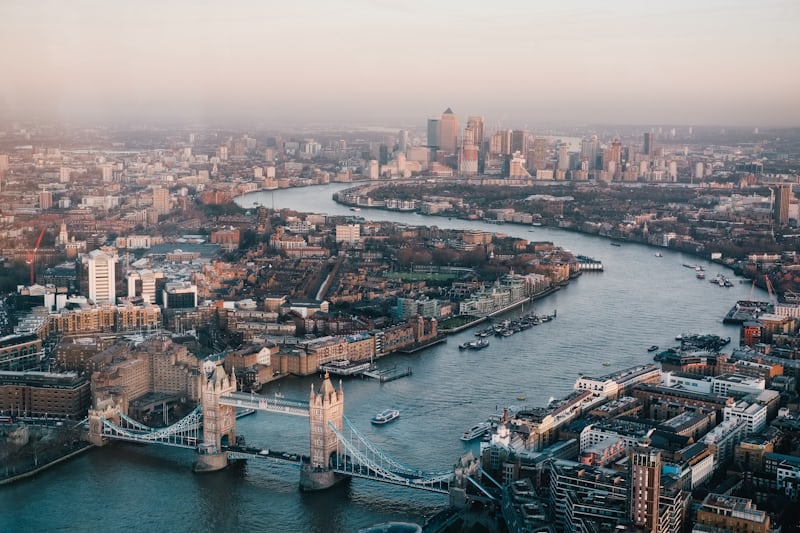
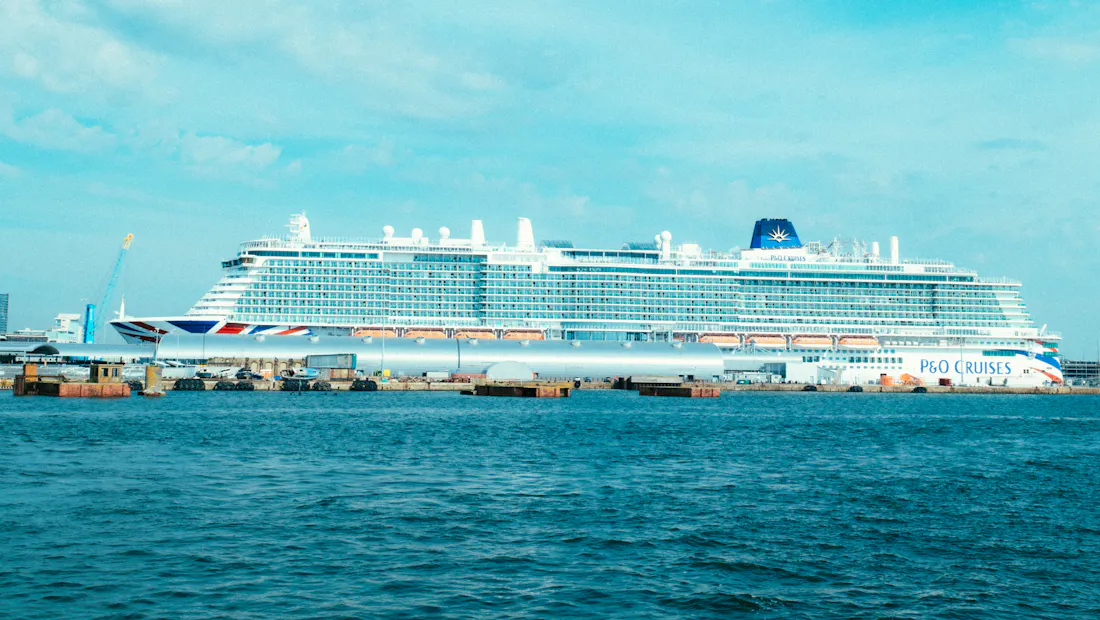
Disembarkation is embarkation in reverse and just as time-pressured: the ship wants everyone off early, the terminal fills with several thousand people and their luggage at once, and many passengers have a flight home to catch. Here's how the pickup is organised so the last morning runs as smoothly as the first.
How the morning unfolds
Lines release passengers in waves — self-carry walk-offs first, then colour-coded groups by luggage tag. You clear the gangway, collect your cases from the terminal hall and step outside, all inside a fairly narrow window. The pickup is timed to that, so the car meets your group rather than idling for hours or, worse, arriving after you're already standing on the kerb.
Get a fixed fare for the cruise ports › Price confirmed at booking · pay by card · driver meets you in arrivals
Where the driver meets you
Cruise terminals have a set pickup area away from the coach lanes; the driver waits there with your name and takes the luggage the moment you're out of the hall. If the ship clears early or runs late, a quick message keeps the meet aligned with your actual walk-off time.
Straight to the airport, or into London
Most disembarking passengers head one of two ways — to an airport for the flight home, or into London for a few days before flying. Either is a single booked leg: door to door from the terminal, with the flight time built into the plan so there's margin for the drive and check-in if you're flying the same day.
The flight-home timing question
Sailing back into Southampton or Dover and flying out the same afternoon is usually fine with a sensible margin, but a very early flight can be tight — the ship's off-time, the drive and check-in all have to fit. Give the flight details at booking and the pickup is planned around them rather than hoped at.
Booking your pickup
Enter the port you're arriving into, your onward airport or London address, and your rough walk-off time on the booking page, and the disembarkation pickup is set to meet you as you come out.
Disembarkation pickup — frequently asked
- How early do cruises make you disembark?
- Most want passengers off by mid-morning, in tagged waves. We time the pickup to your wave rather than a guess.
- Can you take me straight to the airport for my flight home?
- Yes — it's one door-to-door leg from the terminal, planned around your flight time.
- What if disembarkation is delayed?
- Stay in touch by message; the driver holds to your actual walk-off, and short waits at the terminal are expected.
Coming off a ship at Southampton, Dover or Tilbury: book your disembarkation pickup to the airport or London, or ask on WhatsApp.
Related guides
- Christmas Cruise Transfers to Southampton
- Cruise Line Shuttles vs Private Transfer: What They Cost
- Harwich Port Guide for Cruise & Ferry Passengers
- The 4-Hour Rule for Same-Day Flight-to-Cruise Transfers
- Avonmouth (Bristol) Cruise Terminal Transfers for Visitors
- Cunard: Southampton Transfers from Heathrow
- UK Cruise Port Transfers for International Passengers
- London Visitor Guides: Airports, Ports & Days Out
- UK Visitor Essentials 2026: ETA, Money, SIMs, Plugs & Transport
Essentials for international visitors
Flying in from abroad? The six things that catch people out, in one place. Full detail, with official links, in our UK visitor essentials guide.
Entry
Most visitors from Europe, the USA, Canada and Australia need a UK ETA (£20, apply in the UK ETA app, valid two years) — airlines have enforced it since 25 February 2026. eGates from age 8 for EU, US, Canadian, Australian and most other visa-free passports. More ›
Money
Pounds sterling; cards and phones are accepted almost everywhere, contactless taps up to £100. Choose to pay in pounds when a terminal offers your home currency. Prices include VAT and there is no tourist tax refund. More ›
Phone
Free Wi-Fi at all London airports; UK SIMs and eSIMs from £75 in every arrivals hall; EU roaming depends on your operator. WhatsApp +44 20 8888 9988 works from any country. More ›
Getting around
Tap in and out with any contactless card or phone on the Tube, buses and the Elizabeth line — no ticket needed, fares capped daily. A fixed-fare car wins for families, groups, late arrivals and days out the train does not reach. More ›
Children & luggage
Child seats on request when you book. In a licensed private hire car children may travel without one if none is available (under-3s on the rear seat). Tell us the bag count and the right size of car turns up. More ›
Emergencies
999 or 112 for police, fire or ambulance; NHS 111 for urgent advice; A&E is free at the point of use, but bring travel insurance. Plugs are Type G, 230 V; traffic drives on the left — look right. More ›