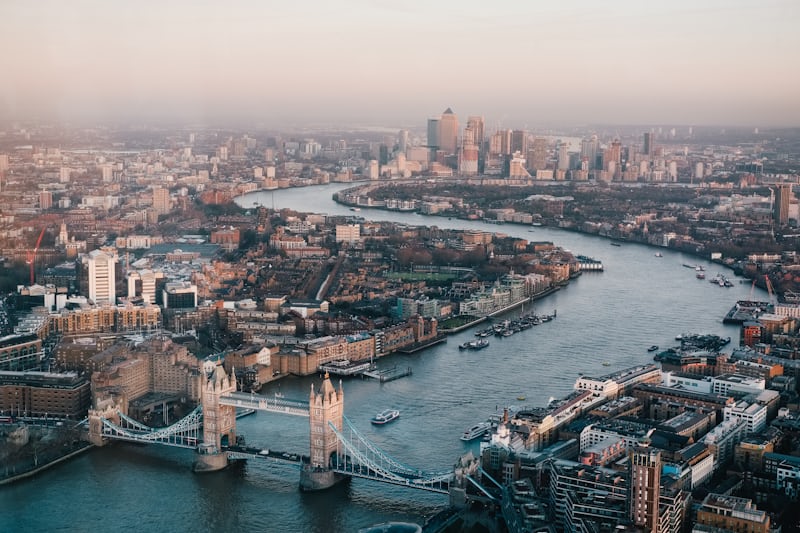
The Dartford Crossing — the bridge and tunnels carrying the M25 over the Thames east of London — is one of the country's busiest river crossings, and it comes with a charge known as the Dart Charge. If your journey crosses it, it helps to understand how the charge works, what it costs, how it's paid, and the exemptions. This guide explains the Dart Charge clearly and how it affects your taxi journey.
The Dartford Crossing links Kent and Essex, carrying the M25 across the Thames via the Queen Elizabeth II Bridge (southbound) and two tunnels (northbound). It's a vital but heavily used route, and unlike most UK roads it carries a charge — the Dart Charge — for most vehicles crossing during charging hours. There are no toll booths; payment is made separately, as the crossing went cashless years ago.
The charge applies during set hours each day (typically daytime and evening); crossing overnight is generally free.
The crossing is cashless with no booths — cameras read your plate and you pay separately.
Payment must be made by the deadline (the day after crossing) to avoid a penalty.
The charge varies by vehicle size — cars pay one rate, larger vehicles more.
Certain vehicles and users qualify for exemptions or discounts from the Dart Charge. These typically include some disabled drivers (via a specific exemption registration) and certain vehicle types, while account holders receive a reduced per-crossing rate compared to one-off payers. The rules have specific eligibility criteria and registration requirements, so anyone who thinks they may qualify should check the official Dart Charge guidance for the current details, as these can change.
For most travellers, the practical takeaway is simple: if your route crosses the Dartford Crossing, there's a charge, and it needs paying by the deadline to avoid a penalty. The advantage of a fixed-price transfer is that this is handled as part of your agreed fare — no separate payment to remember, no deadline to miss, no penalty risk. You simply travel, and the crossing is taken care of within the price.
A: With a fixed-price transfer, the crossing is factored into your agreed fare — no separate payment to worry about.
A: During set charging hours each day; overnight crossings are generally free. Check current hours on the official guidance.
A: Missing the payment deadline results in a penalty charge notice — another reason a fixed-price transfer that handles it is convenient.
A: Some vehicles and users qualify; eligibility and registration rules apply. Check the official Dart Charge guidance for current details.
The Dartford Crossing carries the Dart Charge for most vehicles during charging hours, paid separately by a deadline to avoid penalties. If your journey crosses it, a fixed-price transfer handles the charge within your fare — no separate payment, no deadline stress.
This guide is general information; Dart Charge rates, hours and exemptions can change. Check the official Dart Charge guidance for current details.
The Dart Charge handled within your fare — no deadline stress.
Book Now →